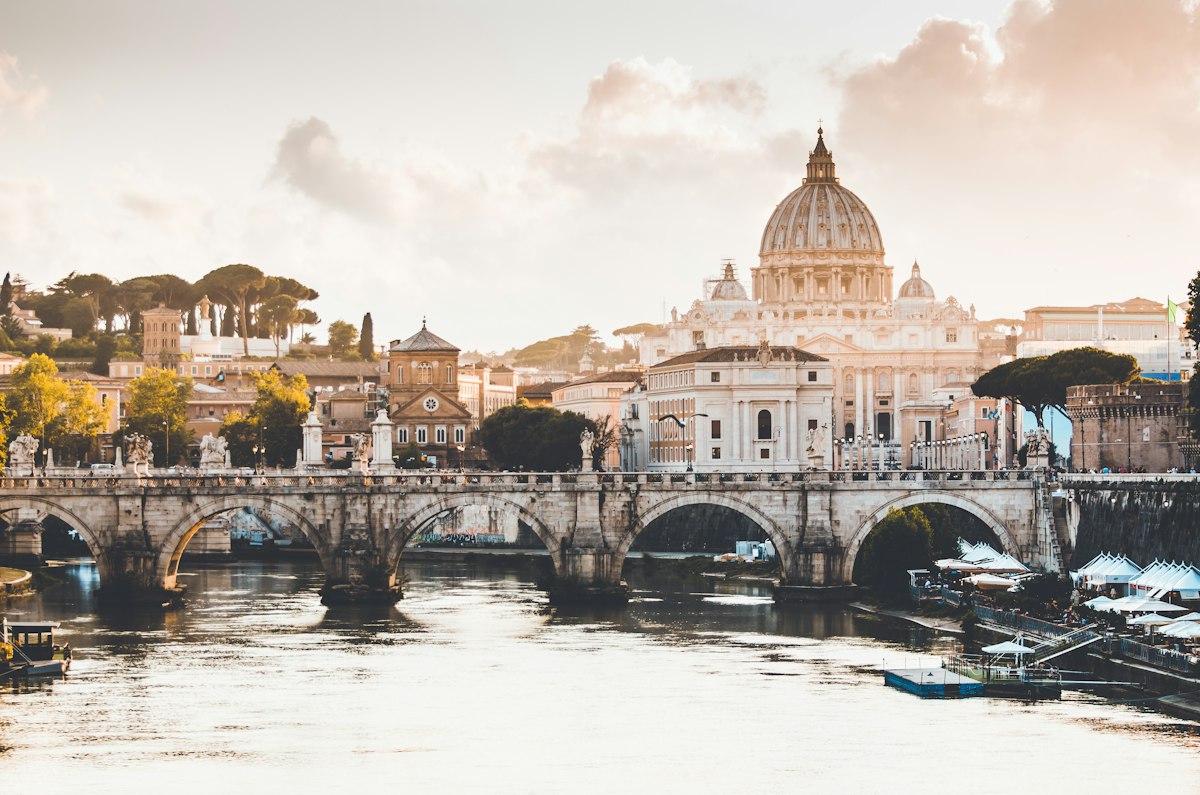
The Gentleman Abroad
A journey through the cobblestone streets and quiet piazzas of northern Italy, where timeless style meets the art of slow wandering.
There is a particular kind of pleasure in walking a foreign city without a plan. No reservations, no itinerary, no obligation other than to observe and be present. It is a skill that takes practice, and northern Italy is perhaps the finest place in the world to learn it.
Our journey began in Milan, not in the fashion district but in the quieter streets behind the Brera, where the morning light falls through plane trees onto cobblestones polished by centuries of footsteps. Here, the espresso is still taken standing at the bar, and the art of people-watching remains the city's great unspoken pastime.
The Education of Bergamo
From Milan, we travelled by train to Bergamo, that most underrated of Italian cities, where the upper town sits like a jewel box above the plain. The piazzas here are smaller, more intimate, and in the late afternoon they fill with the kind of golden light that makes everything look like a painting.
The people of Bergamo have a saying — or so our hotel manager told us — that roughly translates as: "Why hurry? The good things wait for those who know how to wait." It sounded like wisdom dressed as patience, and after three days in the city, it began to feel true.
On the Matter of Dressing
What strikes you about the men here is their ease. Style is not performative but inherent — a well-cut linen jacket worn with the same unselfconsciousness as a second skin. There is no effort, because there is no need for effort. The clothes are right because they have always worn the right clothes, and there is a kind of freedom in that certainty.
It is a lesson the seasoned traveller eventually absorbs: that elegance is less about acquisition than about consistency. The same suit, worn well, for twenty years, is more distinguished than a wardrobe refreshed each season. The Italians understood this before anyone thought to write it down.
You leave northern Italy feeling, somehow, more yourself — as if the journey stripped away the unnecessary and left only what was essential. Which, when you think about it, is exactly what the best travel is for.