The Luxury of Stillness: Why Slowing Down Is the New Status Symbol
The most coveted thing in modern life is not a place, a possession, or a title. It is time — unhurried, unscheduled, and entirely your own.
It begins, usually, with a Saturday morning. Nothing pressing, no appointments stacked end to end, no list demanding your attention before breakfast. You make coffee slowly. You sit. The light moves across the room in a way you've never noticed before, and you realise — with something between surprise and mild embarrassment — that you cannot remember the last time you simply sat and watched the light move.
This is how most people first encounter stillness. Not as a philosophy or a practice, but as an accident. A gap in the schedule that wasn't filled quickly enough. And in that gap, something unexpected: relief.
The Architecture of Busyness
We built busyness carefully, over decades. It began as ambition — the reasonable desire to make something, to contribute, to build a life with dimension and purpose. But somewhere in the accumulation, the busyness became the point. The diary filled because an empty diary felt like failure. The weekends were scheduled because unscheduled time felt vaguely suspicious.
Nobody told us to do this. We chose it, or allowed it, which is much the same thing. And for a long time, it worked — or appeared to. Careers advanced. Projects were completed. The résumé grew dense with accomplishment.
But a life measured only in accomplishments is a thin life, however impressive it looks from the outside.
What the Body Knows
The interesting thing about stillness is that the body understands it before the mind does. You notice it in how your shoulders drop on the first day of a holiday you almost didn't take. In how the food tastes better when there is nowhere to be afterwards. In the particular quality of sleep that comes after a day spent walking slowly through somewhere beautiful, without once checking your phone.
The body has been waiting, patiently and without complaint, for this. It knows what the mind resists admitting: that you are not a machine optimised for output, and that pretending otherwise has costs that don't show up until later.
Redefining Status
Something is shifting. Not dramatically — these things never happen dramatically — but in the way that quiet, permanent changes move. The people who command genuine respect in any room are increasingly not those with the most packed schedule, but those who seem most entirely present. Who listen without waiting for their turn to speak. Who are not, visibly, anywhere else.
This is a different kind of status. It cannot be bought with a title or a number. It accrues through years of choosing, again and again, the thing that matters over the thing that merely appears to. Through learning when to say no, and meaning it. Through understanding that time, more than money or reputation, is the only truly finite resource — and protecting it accordingly.
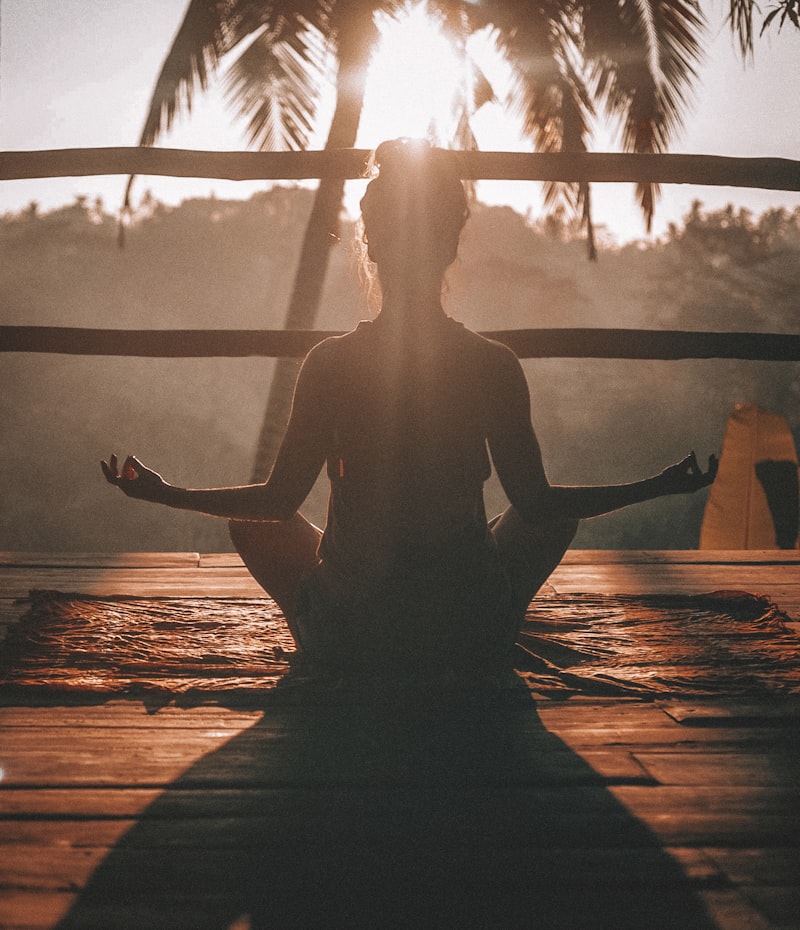
The most luxurious thing a person can possess, in this era, is unhurried time. The space to think a thought to its conclusion. The ability to sit in a room without needing it to be different. The confidence that the day is not running you, but the other way around.
The Practice of Arriving
Stillness, like anything worth having, requires practice. The mind trained on constant stimulus does not settle easily. In the early attempts it fidgets, reaches for the phone, manufactures urgency where none exists. This is normal, and it passes.
What comes after — not immediately, but gradually, as you keep returning to the quiet — is something that resists easy description. A quality of presence. A capacity for genuine attention. The ability to be in a conversation, or a room, or a moment, without the sensation that you are somewhere else as well.
This is not a small thing. It is, in fact, the thing. The capacity to be fully where you are is what makes experience rich rather than merely eventful. It is what allows you to actually receive the beauty that is, always, available — in the light through a window, in the company of someone you love, in the simple, overlooked pleasure of a morning with nowhere to be.
The world will fill your time if you let it. The only question is whether you will.