The Rise of Korean Beauty
How Korean skincare reshaped the global beauty conversation — and which of its ideas are genuinely worth adopting, from daily sunscreen to centella, niacinamide, and the discipline of prevention.
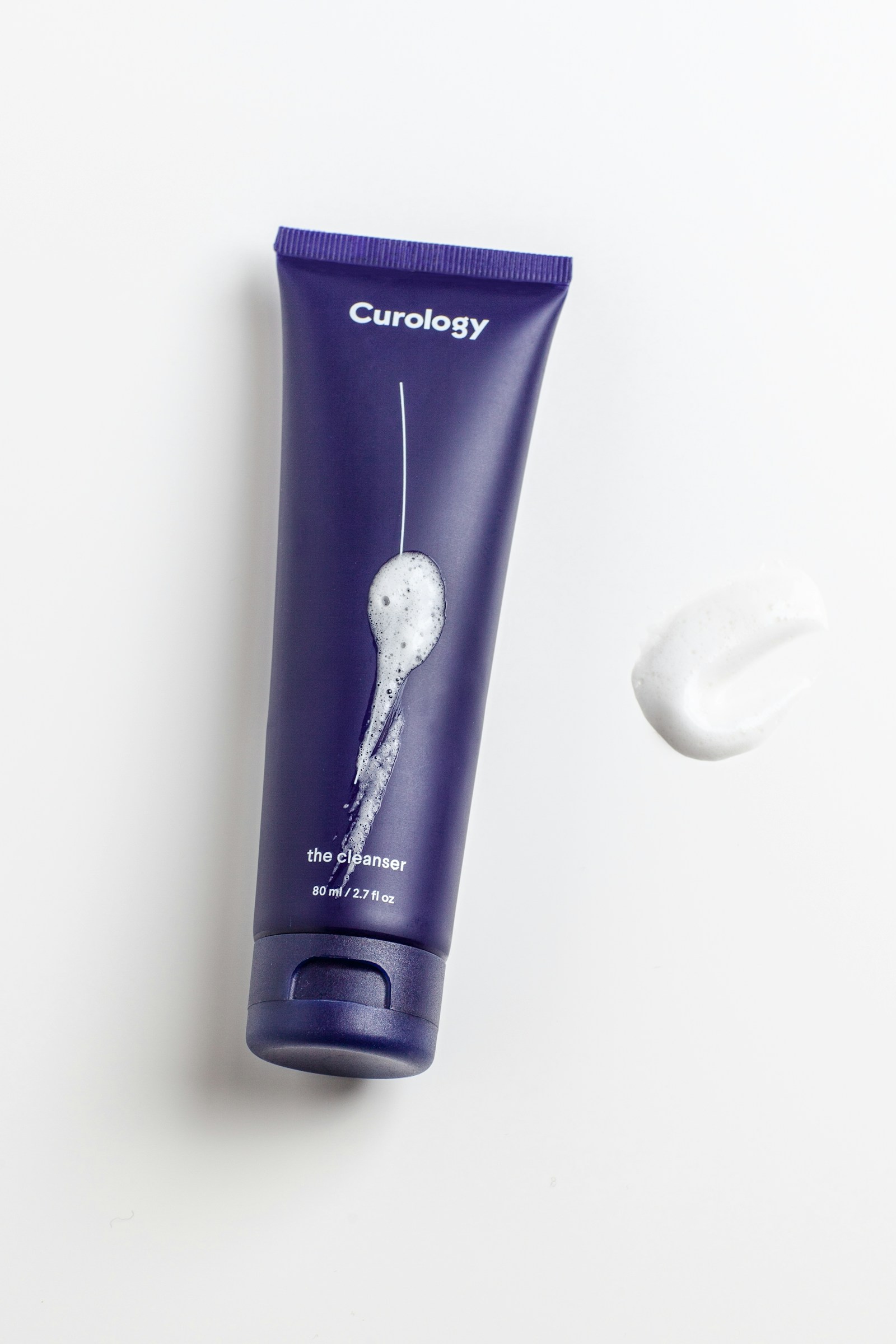
Korean beauty — K-beauty — arrived in the West a little over a decade ago and never quite left. What began as a curiosity (the famous ten-step routine, the sheet masks, the snail mucin) has reshaped how the whole world thinks about skincare. The lesson underneath the products is more durable than any single trend: skin is something you maintain, not something you fix.
This article is a considered overview, written for the reader who has heard the vocabulary but wants to understand what is genuinely useful, what is marketing, and what is worth adopting.
Where it came from
Modern Korean skincare culture is often dated to the 1980s, when Korean dermatologists adapted the German BB cream (Blemish Balm, developed in the 1960s by Dr. Christine Schrammek) for post-procedure and daily use. The product spread through Korean cinema and television, and by 2011–2012 Western brands were racing to produce their own versions.
The broader K-beauty wave in English-speaking markets is usually credited to around 2014, when Charlotte Cho's The Little Book of Skin Care and retailers like Soko Glam made the routines legible to Western readers. Cushion compacts — the sponge-pressed liquid foundation in a portable case — were invented by Amorepacific under its IOPE brand in 2008 and became a global format within a few years.
But the deeper roots are cultural. South Korea has a long-established dermatology infrastructure, a domestic market that demands constant innovation, and a cultural emphasis on prevention and sun protection. The result is an unusually fast-moving, ingredient-led beauty economy.
The philosophy
Three ideas sit underneath almost everything K-beauty produces:
1. Prevention over correction. Western skincare has historically been reactive — treat the blemish, fade the spot, erase the line. K-beauty is built on the premise that the best skin is the skin you protect, daily, from your twenties onward. Sunscreen is not a beach product; it is a morning ritual.
2. Hydration as the foundation. The famous "glass skin" look — luminous, translucent, almost wet — is, at its core, well-hydrated skin. The pursuit of it has driven global interest in humectants like hyaluronic acid, glycerin, and panthenol.
3. Layering, thinnest to thickest. The logic is that light, water-based products penetrate better when applied before heavier creams and oils. Whether every layer is necessary is debatable; the principle of applying products in order of texture is sound.
The routine, deconstructed
The "ten-step routine" was always more marketing than mandate. A sensible Korean-influenced routine has five or six steps.
- Oil cleanser — dissolves sunscreen, makeup, and sebum. This is the "first cleanse" of double cleansing.
- Water-based cleanser — removes remaining residue and water-soluble debris. A gentle, low-pH formula is the point; harsh foaming cleansers strip the barrier.
- Toner (modern, hydrating) — not the astringent toners of the 1990s. These are lightweight hydrators that prep the skin.
- Essence or serum — the treatment step. This is where active ingredients live.
- Moisturiser — seals everything beneath it.
- Sunscreen (morning only) — the single most important step for long-term skin health.
A night routine swaps sunscreen for a slightly richer moisturiser or sleeping mask. That is the whole framework. Everything else — sheet masks, ampoules, exfoliants, eye creams — is optional supplementation.
The ingredients that earned their place
K-beauty's real contribution to global skincare is an unusually rich ingredient vocabulary. A few stand out for genuine, evidence-backed reasons.
Centella asiatica (cica). A medicinal plant long used in Korean and broader Asian traditional medicine. In modern dermatology, centella extracts (madecassoside, asiaticoside) are studied for their soothing, barrier-supporting properties, and "cica" creams are widely recommended for sensitised or compromised skin.
Snail mucin. It sounds unlikely, and it is genuinely a secretion of snails, but snail mucin filtrate contains glycoproteins, hyaluronic acid, and glycolic acid. It is hydrating and generally well tolerated. It will not perform miracles.
Propolis and honey. Bee-derived ingredients, used for their antibacterial and soothing qualities. Pleasant, hydrating, low-risk.
Galactomyces ferment filtrate. A byproduct of sake fermentation, popularised in essence form. The fermentation produces amino acids and vitamins; the evidence for dramatic effects is thin, but it is a hydrating, well-tolerated essence.
Artemisia (mugwort). A traditional herbal ingredient, increasingly studied for anti-inflammatory properties. Particularly associated with soothing irritated, redness-prone skin.
Niacinamide. Not unique to K-beauty but championed by it. A form of vitamin B3 with solid evidence for improving skin tone, reducing transepidermal water loss, and supporting the barrier. One of the most reliably useful skincare ingredients at any price point.
Hyaluronic acid and panthenol. Humectants that draw and hold water in the skin. Foundational, inexpensive, effective.
Sunscreen: the one thing that actually matters
If a single lesson is worth taking from Korean skincare, it is sunscreen. Daily, broad-spectrum, SPF 30 or higher, applied generously and reapplied through the day.
South Korea is also a leader in sunscreen formulation — lightweight, cosmetically elegant, often using newer UV filters (such as bemotrizinol and bisoctrizole) that absorb broadly across UVA and UVB without the heavy white cast of older mineral formulas. Several of these filters have been approved in Europe and Asia for years but remain under review by the United States Food and Drug Administration, which is one reason Korean sunscreens are so widely sought abroad.
It is worth being direct: no serum, essence, or mask will outperform consistent sun protection over a lifetime. Sunscreen is where prevention actually happens.
What is marketing
K-beauty is not immune to marketing, and the sheer volume of product can be its own problem. A few cautions:
- The ten-step routine is not a requirement. More products do not mean better skin; they mean more opportunity for irritation and a longer morning.
- Sheet masks are largely a hydrating treat. Pleasant, occasionally useful, not transformative. Most of their benefit is the fifteen minutes of occlusion.
- "Natural" is not automatically gentle. Botanical ingredients — essential oils, plant extracts — are among the most common causes of contact dermatitis.
- Trend ingredients come and go. Bee venom, starfish extract, donkey milk. Some are harmless; few are essential.
How to adopt it sensibly
You do not need ten products, and you do not need to import them. A genuinely K-beauty-influenced routine can be built from five products available anywhere:
- A gentle, low-pH cleanser
- A hydrating toner or essence
- A serum built around one proven active (niacinamide, vitamin C, or retinol, depending on your goals)
- A moisturiser suited to your skin type
- A broad-spectrum SPF 30+ sunscreen, worn daily
The order is thinnest to thickest. The sunscreen goes on last, every morning, all year. That is the routine. Everything else is refinement.
A note on skin type and patience
Skin turns over roughly every 28 days, and most active ingredients take eight to twelve weeks to show visible effect. Consistency matters more than the specific product. The most common mistake is not under-buying; it is over-buying, layering too many actives, and irritating the barrier you are trying to build.
If you have a skin condition — acne, rosacea, eczema, melasma — a dermatologist will outperform any shelf of products. K-beauty is a philosophy and a vocabulary, not a substitute for medical care.
The takeaway
Korean beauty's lasting gift is not a product. It is a shift in posture: from correction to prevention, from reaction to maintenance, from hiding flaws to supporting a healthy barrier. The best of it — gentle cleansing, consistent hydration, and religious sun protection — is available to anyone, at almost any budget.
The rest, as with so much in beauty, is a story well told.
Sources: American Academy of Dermatology — skincare and sun protection guidance; U.S. Food and Drug Administration — sunscreen ingredient review; Health Canada — sun safety; Journal of Cosmetic Dermatology — ingredient studies (centella, niacinamide).
This article offers general lifestyle information and does not replace professional medical advice. Speak to your doctor or pharmacist about your own circumstances.
Read Next
Sunscreen After Forty
The advice doesn't change after forty. Broad-spectrum SPF 30, applied generously, every morning, all year.
Why Is My Skin So Dry in Winter?
It is usually the dry air, not your skin. A humidifier, warm showers, and a thick cream applied to damp skin do most of the work.

What Actually Is the Cloud?
The cloud is not a different kind of storage. It is the same storage, kept somewhere else.