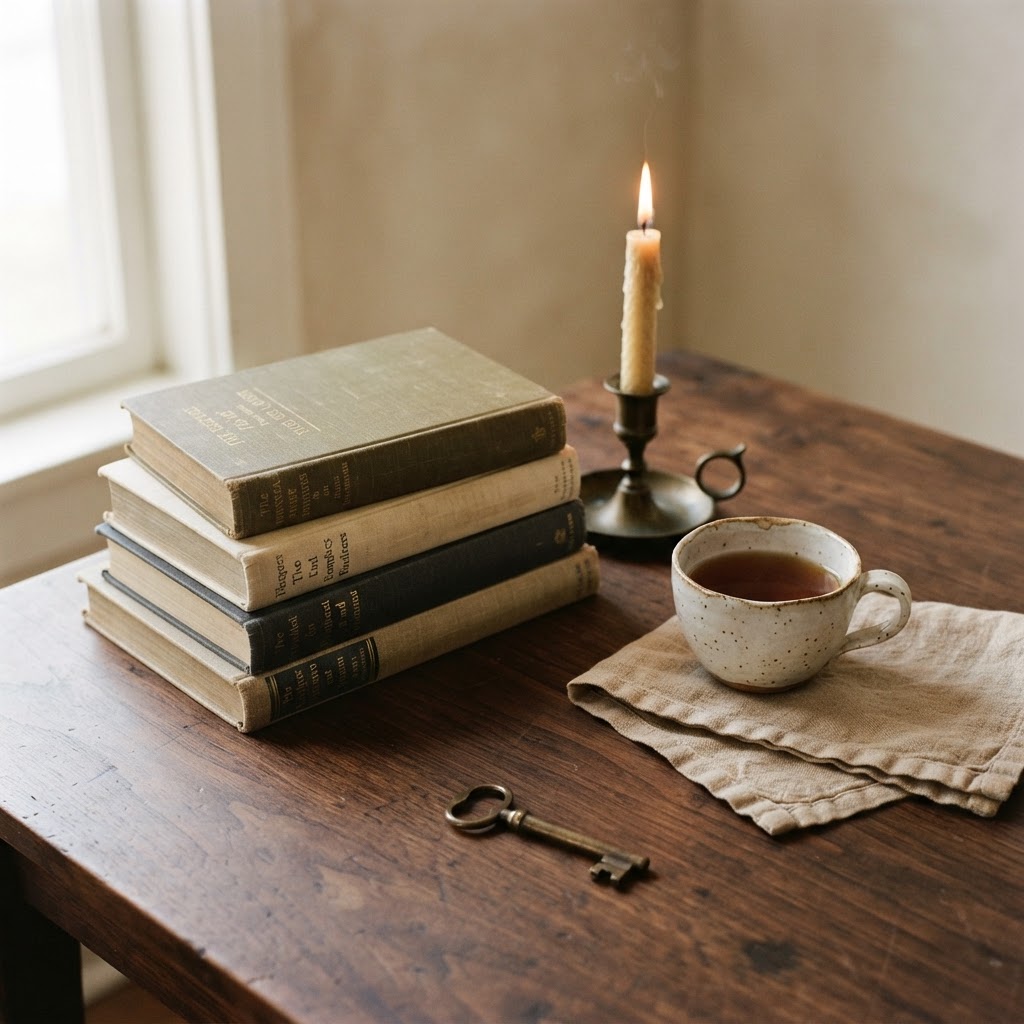
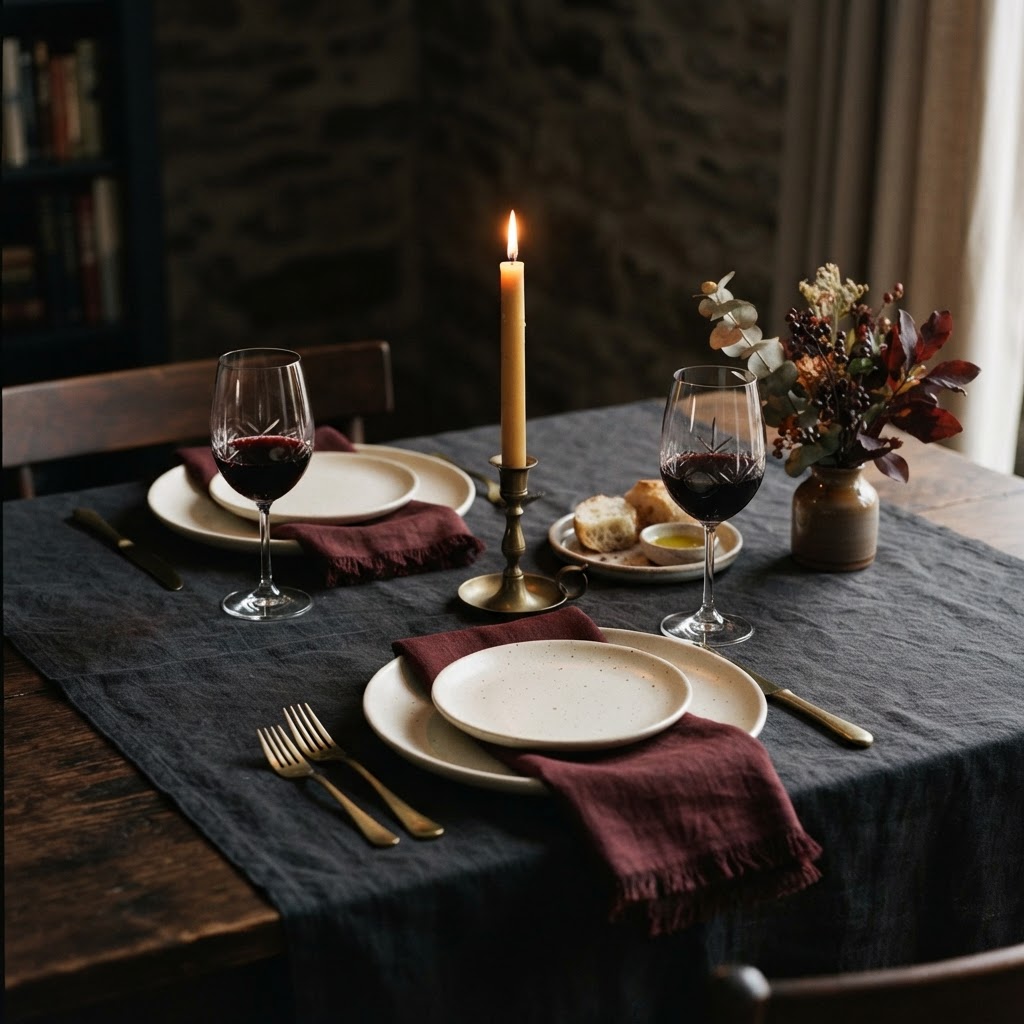
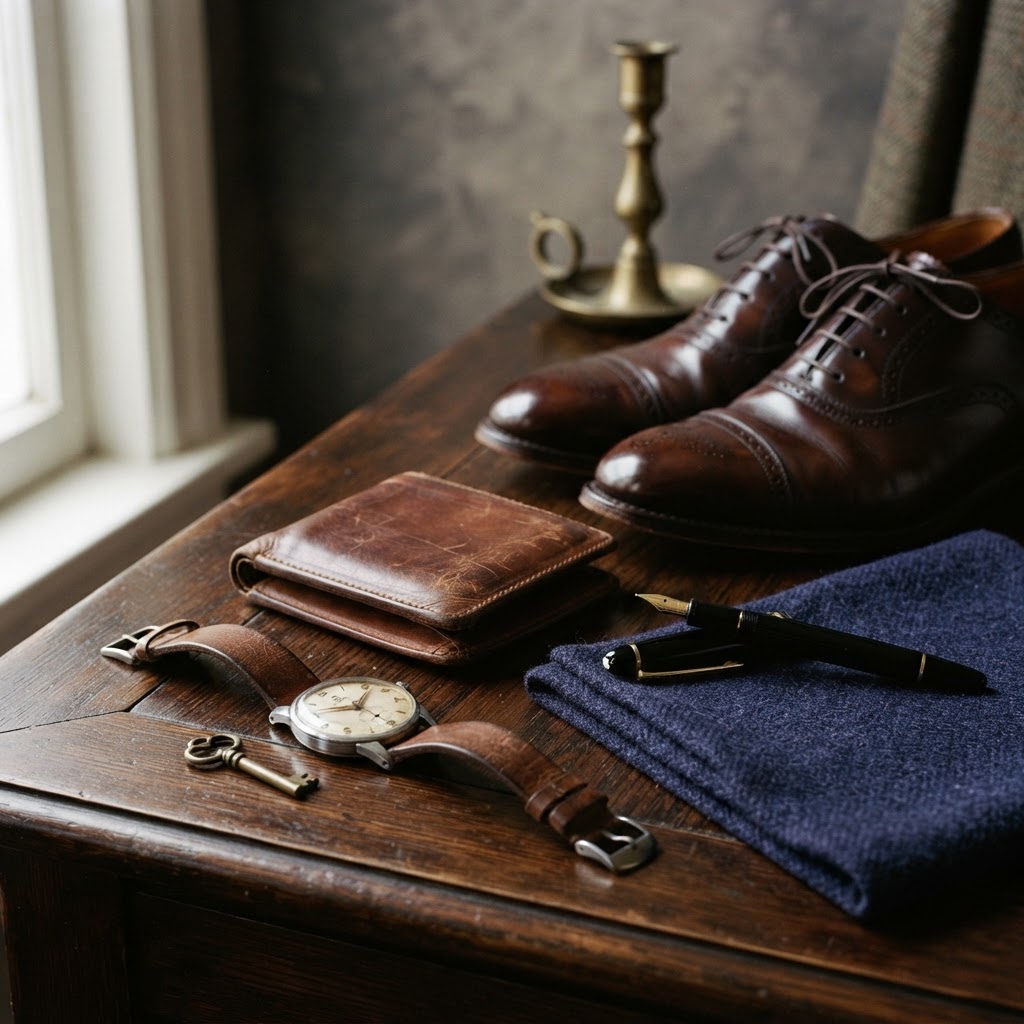
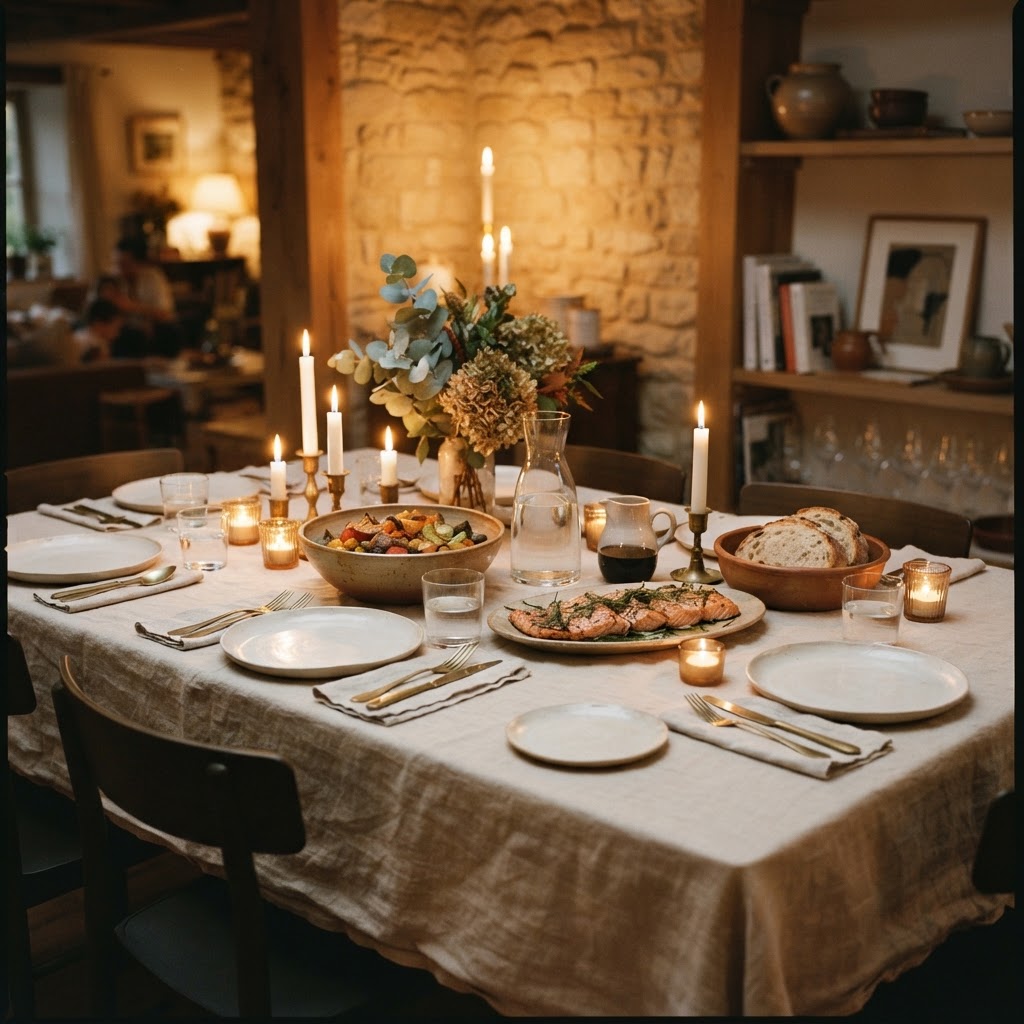
There is endless discussion about what comes next. Rather less about what deserves to remain.
This is the founding essay for The Things Worth Conserving — Stately’s continuing exploration of family, culture, craftsmanship, community, freedom, heritage, enterprise, faith, beauty, and the rituals that give ordinary life its meaning.
A question, not a sermon
We live in an age that treats novelty as a virtue and inheritance as an embarrassment. To admire something old is to risk being called backward. To suggest that a tradition might be worth keeping is to invite the accusation that you wish to keep everything — every prejudice, every exclusion, every habit that deserved to be left behind.
That is not what this series is for.
Not everything old deserves saving. But neither does everything new deserve replacing it.
The honest question is narrower, and harder: what is worth keeping? Not because it is old, and not because it is ours, but because it is good — because it still does something that matters, and because losing it would leave us poorer in some way we may not immediately measure.
What we mean by conserving
Conserving, in this magazine, is not a political label. It is a disposition. It is the habit of asking, before replacing a thing, whether the replacement is actually better — or merely newer. It is the willingness to inherit, to repair, to pass on. It applies as much to a dining table as to an idea, as much to a Sunday lunch as to a building, as much to a manner of disagreeing as to a piece of furniture.
It is also, quietly, an act of imagination. To conserve something is to believe it has a future — not as a museum piece, but as a living thing. A tradition that no longer serves is not conserved by keeping it on life support; it is honoured by understanding what it was for, and asking what might carry that purpose forward.
The larger questions
We are not interested in the daily outrage cycle. We are not competing with the news. We are interested in the questions underneath the news — the ones that will still matter in two years, or twenty.
Will somebody still want to read this in two years? If not, it probably belongs elsewhere.
So we will ask: Are we losing the art of disagreement? Is the family dinner worth defending? What do we owe the next generation? Why do some objects, and some institutions, deserve to outlast us?
What this series will not do
It will not tell you which party to vote for. It will not assume that the past was better, or that progress is the enemy. It will not be nostalgic in the cheap sense — the kind that airbrushes history and mourns only what suits it. And it will not be afraid to challenge the right as readily as the left, because good ideas survive disagreement and bad ones do not improve by being repeated.
A good life is worth building
Underneath everything Stately publishes — the travel, the interiors, the food, the culture — there is a conviction we have decided, now, to say plainly.
A good life is worth building. A good culture is worth contributing to. Freedom deserves responsibility. Inheritance creates obligation. Progress and tradition are not enemies. And people who disagree can still share a table.
Some things are worth conserving. We hope you will read, and disagree, and stay.
Social Hook
SOME THINGS ARE WORTH CONSERVING.
Campaign Artwork